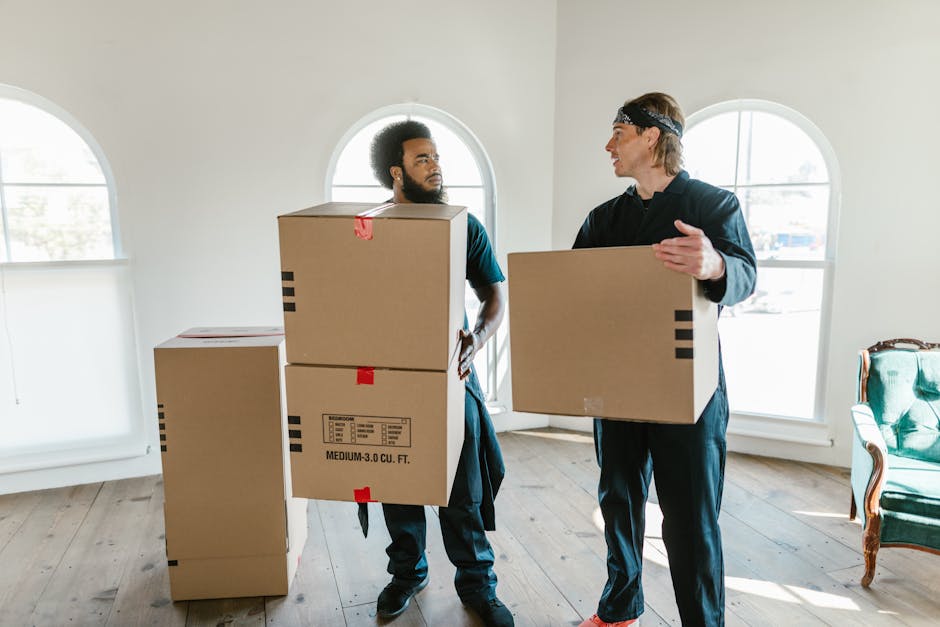
Removal insurance and licensing for Ilford movers explained
If you are booking a move in Ilford, the paperwork can feel like the boring bit right up until something goes wrong. Then, suddenly, insurance and licensing are the only things anyone cares about. This guide on Removal insurance and licensing for Ilford movers explained breaks it down in plain English: what cover really matters, what "licensed" means in practice, and how to tell whether a mover is genuinely trustworthy or just talking a good game.
Truth be told, most people don't spend their Saturday morning comparing liability wording and vehicle documents. Fair enough. But a quick check before you book can save a lot of stress later, especially if you are moving through busy streets, tight stairwells, or one of those Ilford flats where the lift seems to have a personality of its own.
This article covers the basics, the details that matter, and the small but important checks that help protect your belongings, your budget, and your peace of mind. You will also find practical steps, a comparison table, a checklist, and a few honest red flags to watch for. If you are comparing movers, you may also want to look at the company's insurance and safety information and its terms and conditions before you decide.
Table of Contents
- Why this matters for Ilford moves
- How removal insurance and licensing work
- Key benefits and practical advantages
- Who this is for and when it makes sense
- Step-by-step guidance
- Expert tips for better results
- Common mistakes to avoid
- Tools, resources and recommendations
- Law, compliance, standards and best practice
- Options and comparison table
- Case study or real-world example
- Practical checklist
- Conclusion
- Frequently asked questions
Why Removal insurance and licensing for Ilford movers explained Matters
Moving home or business is one of those jobs where a few small assumptions can become expensive very quickly. A scratched wardrobe, a dropped TV, a delayed van, or a damaged stairwell wall can turn a routine move into a proper headache. That is why understanding insurance and licensing is not just admin. It is risk control.
For Ilford customers, the stakes can be even higher because local moves often involve a mix of terraced streets, apartment blocks, parking restrictions, and time-sensitive access. If the mover is not properly insured, you may be left arguing about who pays. If the mover is not correctly licensed or operating legally, you may face service problems, poor accountability, or worse, a company that disappears when something goes wrong. Not ideal, is it?
The practical point is simple: insurance tells you how losses may be handled, while licensing and legal operating status tell you whether the mover should be doing the work at all. Together, they are part of the trust signal you need before handing over furniture, keys, or money.
Expert takeaway: A mover's cheapest quote is not a bargain if the business cannot prove basic cover, lawful operation, and a clear process for claims. In moving, low confidence usually becomes high cost.
For readers comparing types of moving help, services such as man and van, removal company, or full removal services may all be suitable, but the insurance and licensing checks should be non-negotiable across all of them.
How Removal insurance and licensing for Ilford movers explained Works
Let's separate the two ideas, because people often blend them together.
1. Insurance: financial protection if something goes wrong
Insurance is there to help with losses caused during the move. In a removal context, that can include accidental damage to belongings, damage during loading or unloading, or incidents involving the vehicle and the property being moved from or to. The exact cover depends on the provider, so you should never assume all policies work the same way.
Common terms you may hear include:
- Goods in transit cover: protection for items while they are being transported.
- Public liability cover: protection if the business causes accidental damage or injury to a third party.
- Employer's liability cover: relevant if the business employs staff.
- Vehicle insurance: cover for the van or truck itself, and potentially the use of that vehicle for business purposes.
Not every policy includes every type of protection. That is the catch. One mover may have strong goods-in-transit cover but weaker liability terms. Another may have broad liability but exclusions for certain high-value items. So, before you book, ask what is covered, what is excluded, and what evidence they can provide.
2. Licensing: legal permission and proper operating status
"Licensed" can mean a few different things depending on the service, vehicle, and type of operation. For most customers, the practical concern is whether the mover is operating lawfully, using correctly insured vehicles, and meeting any transport or business requirements that apply to their work. It is less about a glossy badge and more about whether the company is set up properly.
In plain English, you want to know that the mover is:
- registered as a real business, not a casual one-person setup with no paper trail
- using vehicles that are suitable and properly insured for carrying goods
- following the rules that apply to their type of transport operation
- able to show documents if requested
This matters because some people assume any van with a logo is fine. That is not the case. A tidy decal does not equal accountability. A proper moving business should be able to explain its cover and its operating arrangements without dancing around the question.
For business moves, the same principle applies to commercial moves and office removals, where the risk can be more complex because you may be dealing with equipment, documents, and deadlines.
Key Benefits and Practical Advantages
Good insurance and proper licensing do more than reduce risk. They improve the whole moving experience in ways people do not always notice until the day of the move.
- Less financial uncertainty: if something is damaged, there is at least a formal route for handling the issue.
- More professional behaviour: companies that maintain documents tend to be more organised overall.
- Better customer confidence: you can book with less second-guessing.
- Fewer disputes: clear terms reduce the usual "he said, she said" situation after a move.
- Stronger protection for landlords and businesses: especially where building fabric, communal areas, or office equipment are involved.
There is also a subtle but real benefit: movers who take compliance seriously often take the physical job seriously too. They are more likely to protect corners, use blankets, secure loads properly, and think ahead about access. That sounds obvious. But in practice, it makes all the difference.
If you are comparing different vehicle options, a smaller moving van or a larger moving truck may suit different jobs, but either way, the business behind the vehicle should still be properly covered.
Who This Is For and When It Makes Sense
This topic matters to almost anyone hiring a mover, but it is especially useful if you fall into one of these groups:
- Home movers who want to protect furniture, appliances, and fragile items.
- First-time movers who have never checked a removal policy before.
- Busy families who need the move to stay calm and predictable.
- Tenants who worry about damage to shared hallways, staircases, or lifts.
- Landlords and letting agents who want tenants to use a credible mover.
- Businesses shifting stock, desks, IT kit, or archived documents.
- People booking man-and-van help for smaller jobs and assuming "small" means "safe enough".
It makes sense to pay extra attention when the move includes expensive, awkward, or irreplaceable items. A family sofa may be replaceable; a wedding photo album, not so much. And for office work, a single damaged laptop can be more disruptive than people expect. The kettle can wait. The payroll files cannot.
If your move is simple and low-value, you still need basic checks. If the move is complicated, you need them even more. That's the honest version.
Step-by-Step Guidance
Here is a practical way to check removal insurance and licensing without turning the whole process into a spreadsheet marathon.
- Ask what insurance is included. Request the basics in plain language: goods in transit, liability cover, and whether there are exclusions for glass, antiques, electronics, or self-packed boxes.
- Check what "licensed" means for that business. Ask whether the company is registered and whether the vehicle is insured for carrying goods for hire and reward, where applicable.
- Request evidence before the move. A serious mover should not be offended by the request. If they are, that tells you a lot.
- Read the small print on claims. Look for notification deadlines, excesses, valuation methods, and any packaging requirements.
- Match the cover to the job. A light local move is not the same as a full house relocation with stair-only access and high-value items.
- Confirm who is responsible for packing. Coverage can differ depending on whether the mover packed the items or you did.
- Keep a simple inventory. Photos, short notes, and a quick room-by-room list are enough for most moves.
- Reconfirm on the day. If the vehicle changes or extra helpers turn up, make sure the plan still matches the booking.
A small real-world example: if you are moving a wardrobe down a narrow Ilford staircase, the risk is not just the wardrobe. It is the wall edge, the banister, the neighbour's picture frame near the landing, and sometimes the mood of everyone in the building by 8:30 a.m. A well-covered mover thinks about all of that before the first lift.
For some customers, it also helps to use a company that offers packing and unpacking services, because packing standards can affect whether insurance responds as expected. Not glamorous, but very useful.
Expert Tips for Better Results
Here are the things people with a few moves under their belt tend to do differently.
- Don't focus only on price. A lower quote can hide weaker cover or more exclusions.
- Ask about high-risk items early. TVs, mirrors, glass tables, and artwork deserve specific questions.
- Take your own photos. Before and after shots are not paranoia. They are common sense.
- Keep originals separate. Passports, deeds, and irreplaceable documents should travel with you, not buried in a van.
- Check the vehicle fit. A properly sized removal van can reduce loading issues and the temptation to overstack.
- Use written confirmation. If the company promises cover, get it in writing. Even a short email is better than memory.
One practical habit I always like: keep a tiny "do not lose this" bag with charger, medication, keys, and snacks. Sounds silly until lunch rolls around and everything is still in boxes. Happens all the time.
And yes, ask questions. Good movers expect them. If someone sounds irritated because you want to know how your belongings are protected, that's a sign, not a misunderstanding.
Common Mistakes to Avoid
Most moving headaches do not come from dramatic disasters. They come from small assumptions that were never checked.
- Assuming all insurance is the same. It isn't. The wording matters.
- Not checking exclusions. Many problems arise because the item type or packing method was not covered.
- Ignoring vehicle suitability. A van may be legally usable but still wrong for the size or fragility of the load.
- Booking without a written quote. Verbal promises are fragile things.
- Confusing customer negligence with mover fault. If an item was badly packed by the customer, the claim outcome may be very different.
- Leaving insurance questions until moving day. By then, you are already committed.
Another common slip is thinking only house movers need this level of checking. Not really. A small local move can still go wrong. A chipped sideboard is still a chipped sideboard whether the job took two hours or all day.
If you are choosing between man with a van help and a fuller movers service, compare the cover carefully rather than assuming the bigger option automatically means better protection.
Tools, Resources and Recommendations
You do not need special software to make a smart choice. A few simple tools and habits are enough.
- Phone camera: take timestamped photos of valuable items before collection.
- Notes app or paper list: track any pre-existing marks or fragile pieces.
- Moving-day folder: keep booking details, payment confirmation, and cover notes together.
- Room labels: reduce confusion and handling time.
- Short question list: ask about insurance limits, claims handling, and vehicle cover in one call rather than piecemeal.
On the website side, it can also help to review practical pages like pricing and quotes, payment and security, and about us if you want a better feel for how the business works. Those pages do not replace policy documents, of course, but they do help with trust.
For customers who want a greener move, recycling and sustainability information can also be useful, especially if you are clearing out old furniture before moving day. Less clutter, less handling, less risk. Everyone wins, really.
Law, Compliance, Standards and Best Practice
This section needs a careful tone. There is no single one-size-fits-all statement that covers every mover in every situation. But there are clear best-practice principles that customers should expect.
In the UK moving sector, a professional company should generally be able to show that it operates as a genuine business, uses appropriately insured vehicles, and follows relevant legal duties around road use, employment, safety, and customer protection. That may also involve having the right business registrations, maintaining appropriate records, and using contracts that clearly set out responsibilities.
For customers, the practical best practice is to verify three things:
- Can the company prove its insurance?
- Can it explain what is and is not covered?
- Does its process feel organised and lawful, not improvised?
It is also wise to look for evidence that the business takes safety seriously. A company that publishes a health and safety policy and keeps clear complaints procedure information shows a more mature approach to service and accountability. Not perfect, necessarily. But better. Much better.
And one more thing: if a mover says "don't worry, we never have problems," that is not a compliance strategy. That's just a sentence. A reassuring one, maybe, but still just a sentence.
Options, Methods, or Comparison Table
If you are weighing up different types of moving help, this simple comparison can make the decision less fuzzy.
| Option | Best for | Insurance focus | What to check carefully |
|---|---|---|---|
| Man and van | Smaller moves, single rooms, quick local jobs | Vehicle use, goods in transit, liability | Whether high-value items are specifically covered |
| Removal company | Full house moves, larger or more complex loads | Broader moving cover, claims process, property protection | Excesses, packing rules, exclusions |
| Office or commercial move | Businesses, equipment, documents, downtime-sensitive moves | Public liability, goods in transit, operational planning | Timing, access, and responsibility for delicate equipment |
| Self-organised move with hired vehicle | Experienced movers with time and helpers | Vehicle hire cover plus your own packing risk | Who is responsible for loading, damage, and packing |
The right option depends on more than budget. If you have stairs, awkward access, fragile items, or a tight time slot, the more structured service is often worth it. In many cases, people start by searching for removals near me, then narrow it down by comparing insurance, not just convenience.
Case Study or Real-World Example
Here is a realistic example, based on a common Ilford-style move.
A couple moving from a two-bedroom flat near a busy road booked a van service after comparing a few quotes. One quote was notably cheaper, but when they asked about insurance, the answer was vague. The company said they were "fully covered," but could not clearly explain what that meant. The couple chose a different mover that sent over a clear summary of cover and explained how fragile items should be packed.
On moving day, one dining chair got scraped during a narrow doorway turn. Nothing dramatic, but enough to need attention. Because the mover had clear procedures and the customer had documented the furniture before collection, the issue was handled without argument. No drama, no long emails, no awkward silence. Just a sensible outcome.
What did the couple learn? The cheapest quote was not the cheapest option. The better question was: which company made it easiest to understand the risks before the first box was lifted?
That lesson applies equally to family moves and house removals. A professional setup is not only about trucks and muscle. It is about clarity when things get messy, because they sometimes do.
Practical Checklist
Use this quick checklist before you confirm a mover in Ilford:
- Ask for proof of insurance, not just verbal reassurance.
- Check whether goods in transit and public liability cover are included.
- Confirm what is excluded, especially for fragile or high-value items.
- Ask whether the vehicle is insured for the type of moving work you need.
- Make sure the business details look complete and professional.
- Read the booking terms carefully before paying a deposit.
- Keep a simple inventory with photos of valuables.
- Clarify whether packing, loading, and unloading responsibilities are shared or separate.
- Check complaint and contact information so you know how to raise an issue later if needed.
- Choose the service level that fits the job, not just the headline price.
If you want a quick service overview while you compare options, pages like removal company and removal services can help you see how the offering is framed. Small detail, but useful.
Get a free quote today and see how much you can save.
Conclusion
Insurance and licensing sound dry until the day you need them. Then they become the difference between a manageable bump in the road and a costly argument. The smartest way to book an Ilford mover is to treat cover, compliance, and service clarity as part of the price, not extras to worry about later.
If a mover can explain its insurance clearly, show that it operates properly, and answer your questions without fuss, that is usually a good sign. Not a guarantee, of course. But a good sign. And in removals, a good sign is worth listening to.
Choose carefully, keep your paperwork tidy, and do the simple checks now so the moving day feels calmer later. That's the goal. A steady move, a quieter head, and a home or office that settles in without too much drama.
Frequently Asked Questions
What does removal insurance usually cover?
It commonly covers accidental damage or loss affecting items while they are being moved, plus liability if the mover causes damage to property or injury to another person. The exact scope depends on the policy, so always ask for details in writing.
Do all Ilford movers need the same licence or registration?
No, the exact requirements depend on how the business operates, the vehicles used, and the type of work being carried out. The important thing for customers is that the mover can show they are operating legally and using properly insured vehicles.
Is a man and van service insured in the same way as a full removal company?
Not always. Some are well covered; others are more limited. A smaller service can still be professional, but you need to check the policy wording carefully instead of assuming it matches a larger removal company.
Should I still check insurance for a small local move?
Yes. Even a short move can involve damage to furniture, walls, lifts, or shared hallways. Small move, same risk if something drops.
What should I ask before booking a mover?
Ask what insurance is included, what is excluded, whether the vehicle is properly covered for moving work, how claims are handled, and whether there are any excesses or packing conditions.
Does the mover's insurance cover items I pack myself?
Sometimes, but not always in the same way as professionally packed items. Self-packed boxes may face stricter conditions, especially if fragile items were not wrapped or labelled well.
How can I tell if a mover is legitimate?
Look for clear business details, written quotes, a sensible claims process, transparent terms, and straightforward answers to insurance questions. If the company avoids basic questions, take that seriously.
What is public liability cover and why does it matter?
Public liability cover helps if the mover accidentally damages property or causes injury to someone else during the job. It matters because moving often happens in shared spaces, not just inside your front door.
Can I rely on a verbal promise that my belongings are covered?
It is better not to. Verbal reassurance is nice, but written confirmation is what you want. It gives you something specific to refer back to if there is a problem.
Do office moves need different insurance checks?
Often yes. Office and commercial jobs may involve IT equipment, stock, documents, and tighter deadlines, so liability and goods-in-transit questions become even more important. If you are planning business relocation, have a proper look at office relocation services and the related cover.
What if a mover refuses to show proof of cover?
That is a red flag. You do not have to accept it. There are enough reputable movers around that you should never need to proceed blind.
Is the cheapest quote usually the best choice?
Not necessarily. A cheap quote can be fine, but only if the service, vehicle, and insurance all stack up. The real value is in getting a move that goes smoothly and leaves no nasty surprises behind.